
In the digital age, we have been sold a dangerous lie that volume is the solution to visibility.
We are told to post three times a day, to jump on every trend, and to automate our content calendars until our feeds are overflowing. Yet, despite this constant stream of noise, most brands remain invisible. They aren’t failing because they lack a marketing strategy; they are failing because they haven’t realized that the currency of the modern economy is not content, it is attention.
If you are posting into the void, it’s not because the algorithm hates you. It’s because you haven’t earned the right to someone’s time.
Marketing doesn’t start when you click “Publish.” It starts with the split-second decision a user makes to stop scrolling and engage with you. If you don’t win that moment, the rest of your post is irrelevant.
Where Businesses Go Wrong?
The Three “Invisible” Killers
Most businesses approach social media like a bulletin board. They pin up their flyers, hope for the best, and walk away. But the modern feed is a battlefield, and your “flyers” are being buried by millions of other voices. Here is why your brand is likely being ignored:
1. The Death of the Hook
People don’t read content; they scan it. Studies show that a user decides whether to keep reading or move on in under two seconds. If your first line—the “hook”—is generic, polite, or confusing, the reader has already left before you’ve even made your point. If you don’t stop the thumb, your brilliant insights will never be seen.
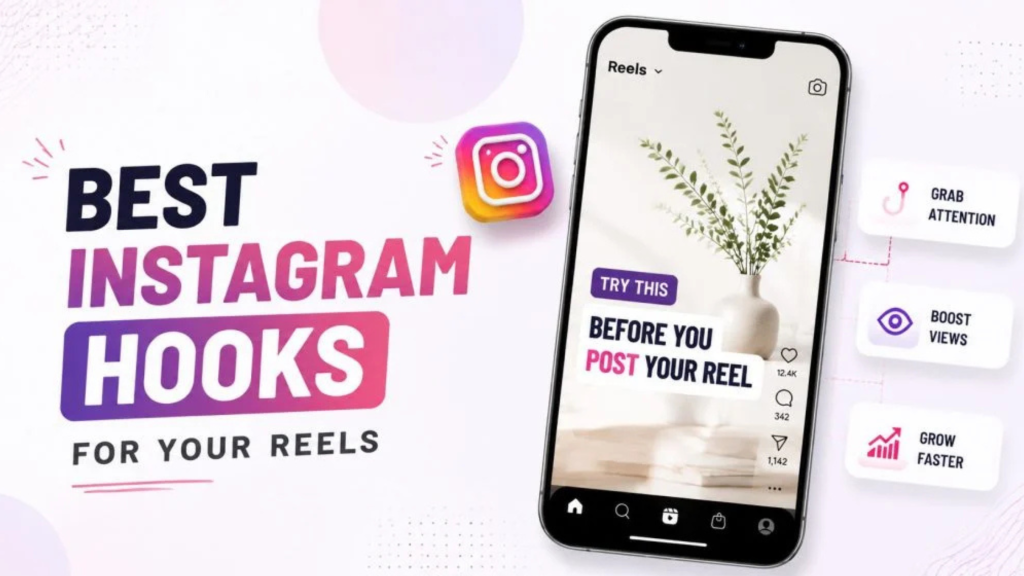
So, this is it…
When you saw this banner, you probably thought you were about to get some hooks for your business, right?
That’s exactly how a hook works.
A good hook doesn’t explain everything. It simply grabs attention, sparks curiosity, and makes people stop scrolling for a second longer. And in today’s world, that second is all you need.
2. The Trap of Commodity Positioning
If you sound like everyone else in your industry, you are a commodity. When you try to appeal to “everyone,” you end up appealing to no one. The brands that win are those that take a stand. They understand that being ignored is often the result of being “safe.” If you aren’t willing to be controversial, bold, or uniquely opinionated, you have no reason to be at the top of a potential customer’s mind.
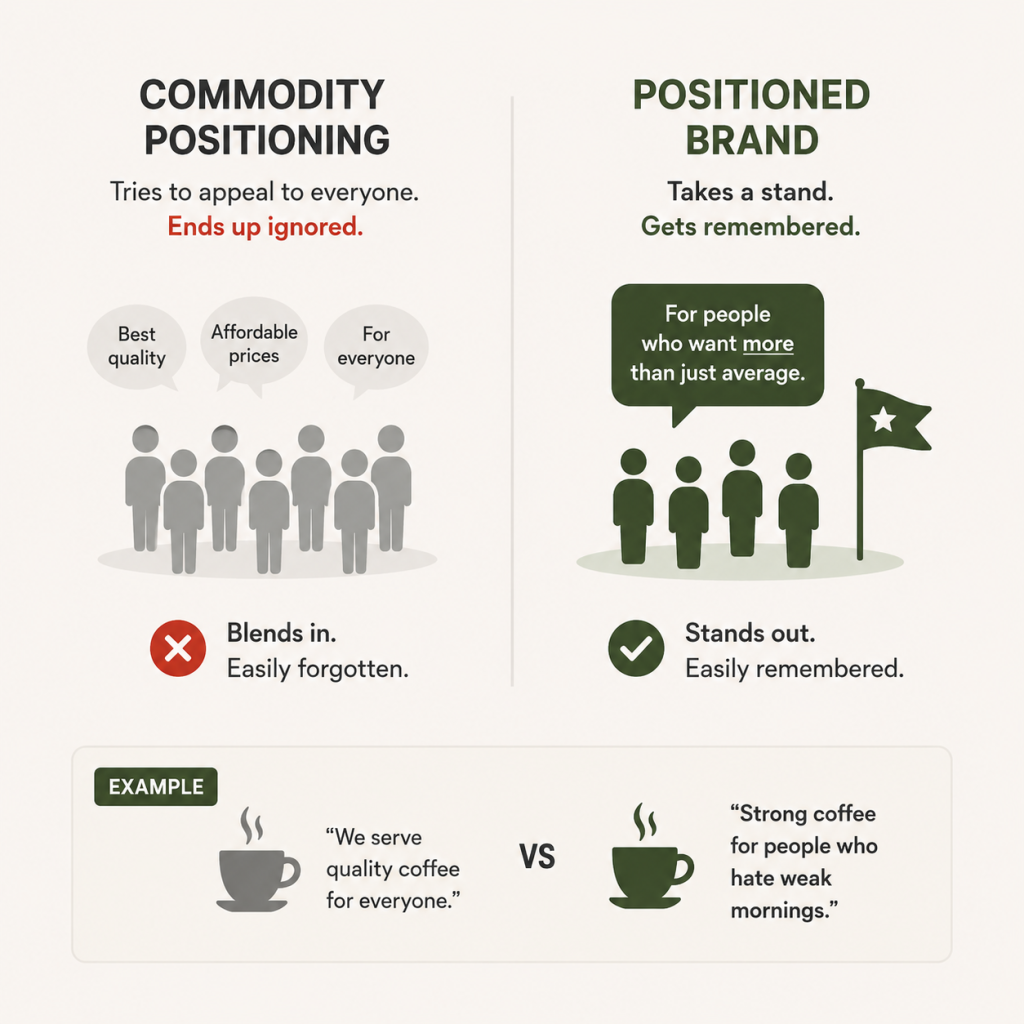
You know those brands that all sound the same?
“Best quality.”
“Affordable price.”
“Customer satisfaction guaranteed.”
Can you remember even one of them?
That’s the trap of commodity positioning.
When you try to speak to everyone, you end up sounding like everyone. The brands people remember aren’t always the safest ones—they’re the ones with a clear opinion, a unique voice, and the courage to stand for something.
3. The Power of Showing Up (Consistency)
One viral post will not save a failing brand. Marketing is a game of compound interest. When you post sporadically, you aren’t just missing opportunities—you are training your audience to forget you exist. Consistency isn’t about spamming; it’s about becoming a familiar, trusted companion in the daily lives of your audience.

You know that one creator or brand that keeps showing up on your feed?
You trust them more, don’t you?
Not because every post went viral.
But because they’ve been there consistently.
That’s the power of showing up.
One viral post can get attention. Consistency earns trust. And trust is what keeps people coming back long after the views stop counting. As an example, a leading farming-based e-commerce brand, business called Pepperhub is an online plant and gardening brand that helps people bring more greenery into their homes and gardens. From live plants and seeds to gardening essentials, the brand focuses on making gardening simple and accessible for everyone.Take Pepperhub’s social media presence as an example of consistency. Not every post goes viral, and not every post results in immediate sales. However, by regularly sharing plant care tips, gardening advice, product highlights, customer stories, and seasonal planting inspiration, Pepperhub remains visible and relevant to its audience. Over time, this consistent presence builds trust, and when someone decides to buy a plant, Pepperhub is more likely to be the brand they remember.
The Shift: Stop Posting, Start Thinking
The transition from “invisible” to “influential” requires a radical shift in mindset. You don’t need a bigger budget or a larger content team. You need sharper thinking.
To win the battle for attention, you must change your approach:
Lead with Tension
Don’t start with a greeting. Start with the problem. Use a bold claim, a provocative question, or a counter-intuitive statement that forces the reader to pause and ask, “Is this true?”
Develop a “Brand Voice” Moat
Can your audience tell a post is from you without seeing your logo? If not, you are still a commodity. You need to articulate a perspective that only your brand can hold—one rooted in your unique experience, your failures, and your specific philosophy.
Create Recognition, Not Just Reach
The goal of your content shouldn’t be a random “viral” moment. It should be brand recall. By showing up often with a consistent point of view, you move from being a “stranger on the feed” to an “authoritative voice” in your industry.
The Verdict
The brands winning right now—the ones that are growing while others stagnate—aren’t necessarily the ones with the best cameras or the most followers. They are the ones that have mastered the art of human psychology.
They understand that social media is not a megaphone for self-promotion. It is an attention game.
Stop obsessing over your posting frequency and start obsessing over your stopping power. The next time you sit down to write, don’t ask: What should I post today?” Instead, ask: “How can I make this person stop their life for ten seconds and listen to me?“
When you answer that question, your marketing will stop failing—and your business will finally begin to be seen.
Did you know about Powerful social media platforms for your brand.? Read now